Successful construction projects always begin long before the first structure is built. The foundation of every strong building starts with proper planning and execution of site preparation. This stage ensures the land is ready for safe, stable, and efficient construction work.
Without proper groundwork, even the best construction plans can face delays, structural risks, and increased costs. That is why developers and builders place strong importance on early-stage preparation.
Many professionals rely on trusted companies like Wirkkala Construction to handle complex groundwork and ensure every project starts on the right foundation.
Site preparation is the process of preparing land before construction begins. It involves clearing, leveling, and stabilizing the ground to support buildings, roads, or other structures.
This stage ensures the land is safe and suitable for construction activities. It also helps prevent future structural issues that could arise from unstable soil or poor drainage conditions.
A reliable site preparation contractor plays a major role in making sure each step is completed properly and safely.
Proper site preparation involves several important stages that work together to create a strong and stable foundation for construction projects. Each step plays a specific role in making sure the land is safe, usable, and ready for building activities.
The process usually begins with land clearing and debris removal. This step involves removing trees, rocks, vegetation, and any existing structures that may interfere with construction work.
Once the site is cleared, soil testing and analysis are carried out to understand the ground conditions and determine its suitability for supporting the planned structure.
After soil evaluation, excavation and grading are performed to shape the land according to project requirements. This is followed by leveling the construction area to ensure a smooth and even surface, which is essential for structural stability.
Temporary drainage systems are then installed to manage water flow and prevent water accumulation during construction.
Finally, access roads are prepared to allow machinery and equipment to move safely and efficiently across the site. Each of these steps ensures the site is stable, organized, and fully prepared for the next phase of construction work.
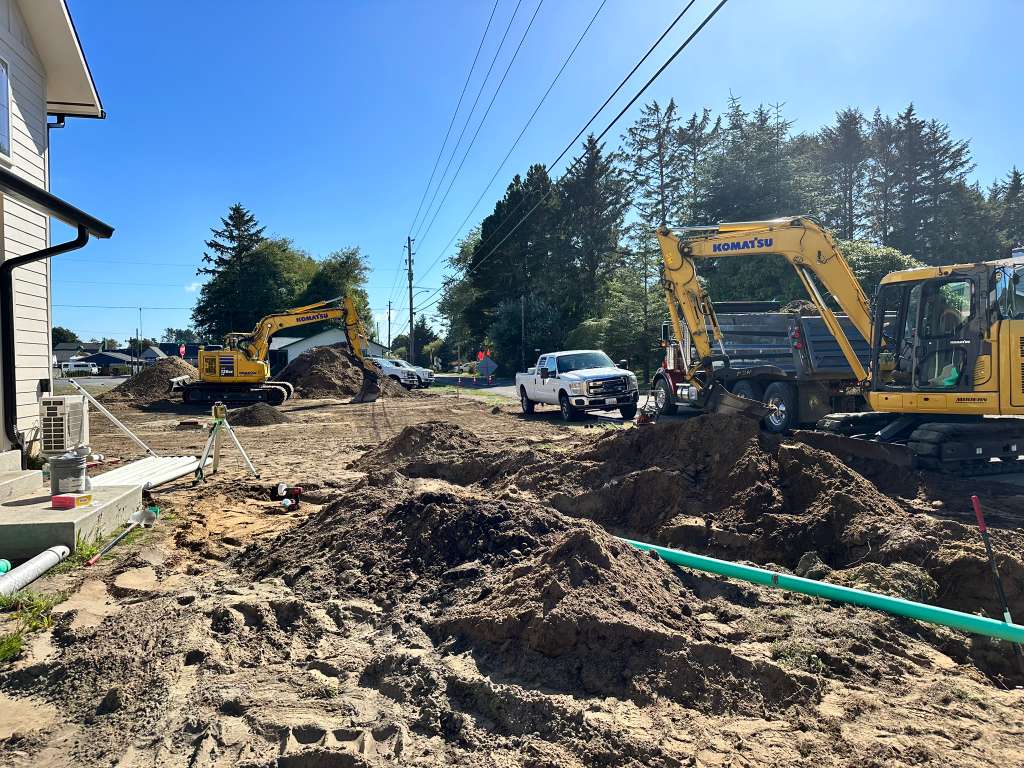
Excavation is one of the most critical parts of the entire process. It involves digging, removing soil, and shaping the land according to project requirements.
A professional excavation service ensures that the ground is properly prepared for foundations, utilities, and drainage systems.
Without proper excavation, construction projects may face uneven foundations or water-related issues in the future. This makes excavation a key step in achieving long-term structural stability.
Safety is one of the most important reasons why site preparation is necessary. A properly prepared site reduces risks for workers and equipment during construction.
When the ground is cleared and leveled, it becomes easier to move machinery and carry out construction tasks safely. It also reduces the chances of accidents caused by unstable soil or hidden obstacles.
Professional site preparation services help ensure that safety standards are maintained throughout the project.
Before any construction project begins, understanding the condition of the soil is extremely important. Soil testing helps determine whether the ground is strong and stable enough to support the planned structure safely over time.
This process identifies several key factors, including soil strength, moisture levels, drainage capacity, and overall stability for foundations. Each of these factors plays a major role in deciding how the building should be designed and constructed.
With accurate soil analysis, builders and engineers can make informed decisions about foundation planning, material selection, and construction methods.
This reduces the risk of structural issues in the future and ensures a safer and more reliable construction process.
Proper drainage is a key part of successful construction projects. Poor water management can damage foundations and weaken structures over time.
During site preparation, drainage systems are carefully planned and installed. This ensures water flows away from the construction area instead of collecting around foundations.
Good drainage planning supports long-term durability and reduces maintenance costs in the future.
Modern site preparation relies on advanced machinery to complete tasks efficiently and accurately.
Excavators for digging and soil removal
Bulldozers for clearing and leveling land
Graders for surface finishing
Loaders for material handling
Compactors for soil stabilization
Using the right equipment ensures faster project completion and better results.
A site preparation contractor is responsible for managing all groundwork activities before construction begins. Their expertise ensures that each stage is completed according to engineering and safety standards.
They coordinate with builders, engineers, and project managers to deliver a properly prepared site.
Working with experienced professionals helps reduce risks, avoid delays, and improve overall project efficiency.
More details about professional services can be found here: Site Preparation Services.
Hiring experts for site preparation provides several long-term advantages for construction projects.
Strong and stable foundation readiness
Reduced construction delays
Improved site safety conditions
Better project planning and execution
Lower risk of structural issues
Efficient use of machinery and resources
These benefits make professional services an essential part of modern construction planning.
While site preparation is a crucial step in any construction project, it can also present several challenges depending on the condition of the land and surrounding environment. These challenges can affect timelines, costs, and overall project planning if not managed properly.
One of the most common issues is uneven terrain, which requires additional grading and leveling work before construction can begin.
In some cases, builders may also encounter rocky or hard soil layers that make excavation more difficult and time consuming. Poor drainage conditions can further complicate the process by causing water to accumulate on the site, affecting stability and progress.
Other challenges include hidden underground obstacles such as old utilities or debris, which may not be visible during initial inspections but can disrupt excavation work.
Weather-related delays are also common, as heavy rain or extreme conditions can slow down or temporarily stop site activities.
Experienced contractors understand how to manage these challenges effectively by using the right equipment, planning ahead, and applying proper construction techniques.
This ensures that even difficult site conditions are handled safely and efficiently, allowing the project to move forward smoothly.
Modern construction practices place a strong focus on environmental responsibility. Site preparation is not only about preparing land for building but also about ensuring that the process is carried out in a way that minimizes harm to the surrounding environment.
This includes several important practices such as proper waste removal to prevent pollution, soil conservation methods to protect natural ground quality, and controlled excavation techniques that reduce unnecessary disruption to the land.
Protection of surrounding areas is also essential to ensure nearby vegetation, water sources, and ecosystems are not negatively affected.
Responsible planning plays a major role in making construction projects more environmentally sustainable. By following careful procedures and using the right methods, contractors can reduce environmental impact while still achieving strong and reliable construction outcomes.
Planning is the foundation of every successful construction project. Without proper site preparation and early-stage planning, even the most well-designed projects can face delays, structural issues, and unexpected costs later in the process.
Good planning helps ensure accurate project timelines, allowing each stage of construction to move forward in a structured and organized way.
It also helps control construction costs by reducing errors, avoiding rework, and improving resource management.
In addition, proper planning supports safe working conditions by identifying potential risks before construction begins.
It also leads to more reliable structural outcomes by ensuring the site is properly prepared for long-term stability and performance.
This is why early-stage preparation is considered one of the most important parts of any construction project.
Investing in quality site preparation provides long-term value for developers and builders. It ensures that the structure remains strong, stable, and durable over time.
Proper groundwork reduces future repair costs and improves overall project performance.
It also increases confidence in the final construction outcome.
Site preparation is the first and most important step in any construction project. It sets the foundation for safety, stability, and long-term success.
From excavation and soil testing to drainage planning and land clearing, every step plays a vital role in project development.
Working with an experienced team ensures that your project begins on solid ground. For professional assistance and expert guidance, contact Wirkkala Construction here: Contact Us.
Site preparation is the process of preparing land for construction by clearing, leveling, and stabilizing the ground.
It ensures safety, stability, and proper foundation support for construction projects.
They manage excavation, land clearing, grading, and other groundwork activities before construction begins.
Yes, excavation is a key part of site preparation that involves digging and shaping the land.
The timeline depends on land conditions and project size, but it can range from a few days to several weeks.
© 2026 All Rights Reserved by Wirkkala Construction. Proudly Designed By Consumers Approach